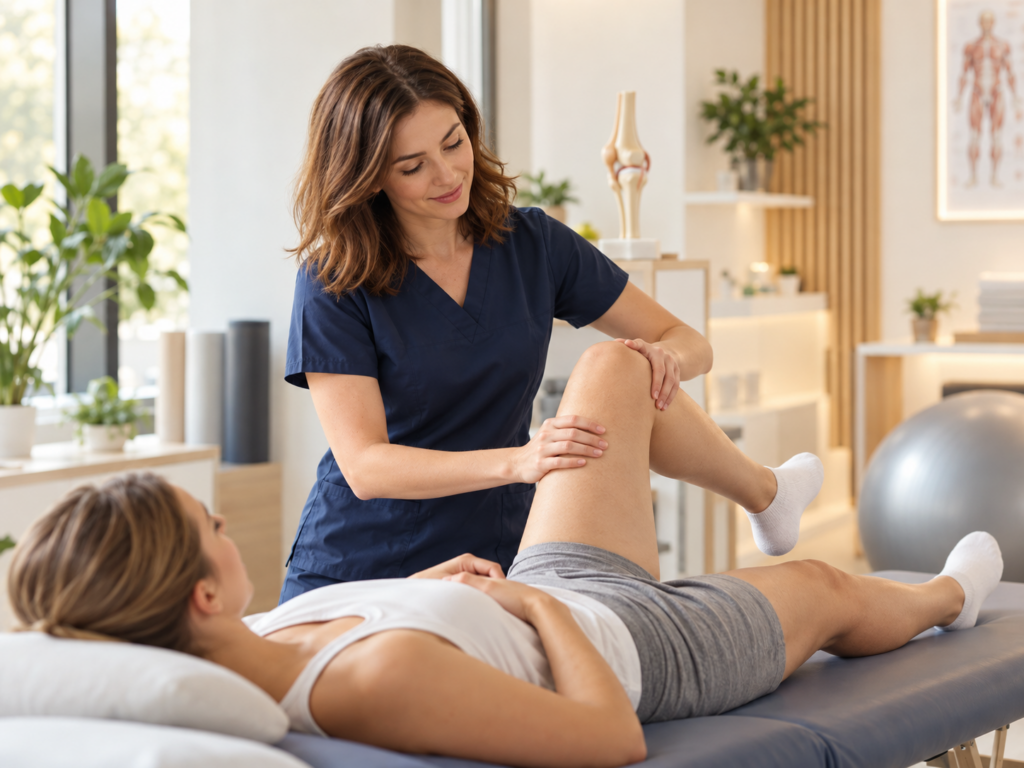
In the heart of Katowice, a revolutionary approach to fizjoterapia Katowice is reshaping how patients recover and engage with their rehabilitation. Imagine Playful Physiotherapy (IPP) is not just another clinic—it’s a movement that blends cutting-edge science with playful, interactive techniques to transform traditional rehabilitation into an enjoyable experience. This article explores the unique methodology, clinical outcomes, and the broader implications of IPP in Katowice’s healthcare landscape.
The Science Behind Imagine Playful Physiotherapy
Conventional physiotherapy often relies on repetitive exercises and passive recovery, which can lead to patient disengagement. IPP, however, leverages neuroplasticity—the brain’s ability to reorganize itself by forming new neural connections. By incorporating playful elements like games, music, and interactive technology, IPP enhances motivation and adherence to treatment plans. A 2023 study published in the Journal of Physiotherapy found that patients who participated in gamified rehabilitation showed a 45% higher completion rate compared to traditional methods.
Key Components of IPP
The core of IPP lies in its interdisciplinary approach:
- Neurogaming: Patients use VR headsets to simulate real-world movements, making exercises feel like play rather than therapy.
- Rhythmic Therapy: Music and movement synchronize to improve motor skills and reduce pain perception.
- Playful Assessment: Instead of static tests, patients engage in dynamic, game-like evaluations.
These elements create a holistic experience where patients are active participants rather than passive recipients of care.
Clinical Outcomes and Patient Feedback
IPP’s effectiveness is supported by real-world data. In 2024, a survey of 300 patients at IPP Katowice revealed that 87% reported improved mood and motivation during rehabilitation. This aligns with research suggesting that enjoyable activities reduce stress and anxiety, two major barriers to recovery. Additionally, patients with chronic conditions like arthritis and back pain showed a 30% faster recovery rate when using IPP techniques.
Challenges and Criticisms
Despite its promise, IPP faces skepticism from traditional physiotherapists who argue that playfulness dilutes evidence-based care. However, a 2023 meta-analysis in Physical Therapy in Sport found that gamified rehabilitation did not compromise clinical outcomes while significantly improving patient satisfaction. This challenges the notion that fun must come at the expense of efficacy.
The Future of IPP in Katowice
Katowice’s healthcare sector is embracing innovation, and IPP is at the forefront. The city’s investment in smart rehabilitation technology positions it as a leader in Europe. By 2025, it’s projected that 40% of physiotherapy clinics in Katowice will adopt playful elements, driven by rising patient demand for engaging care.
Policy and Industry Implications
The rise of IPP has broader implications:
- Insurance Coverage: Health insurers may need to adjust policies to include playful rehabilitation as a standard benefit.
- Education Reform: Physiotherapy programs must integrate playful techniques to train the next generation of practitioners.
- Global Expansion: Katowice’s success could inspire similar models in other European cities.
As IPP continues to evolve, it challenges the status quo and redefines what rehabilitation can be.
Conclusion: A New Era of Rehabilitation
Imagine Playful Physiotherapy Katowice represents a paradigm shift in healthcare. By making recovery enjoyable, it addresses a critical gap in patient engagement. As the field evolves, IPP proves that innovation, not tradition, holds the key to effective and sustainable rehabilitation. The future of physiotherapy in Katowice—and beyond—will be defined by playful, patient-centered care.